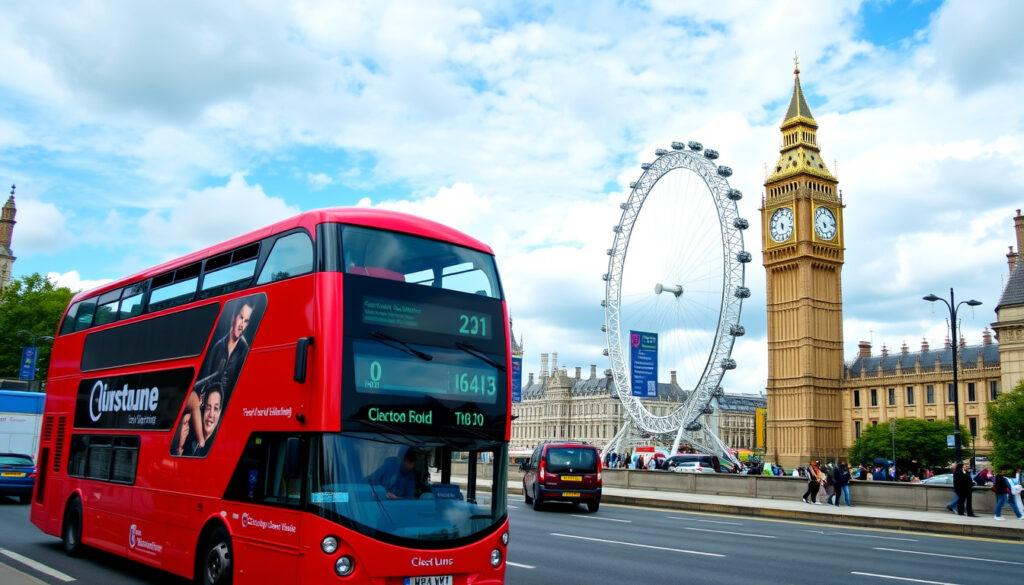
Double Decker Bus – Dimensions, Price, Hire and History
A double decker bus is a bus with two passenger decks, a design that has become a global symbol of urban transport, particularly in London. The core idea is simple: carry more passengers without taking up more road space. Modern double deckers typically measure between 9 and 14.8 meters in length, 2.4 to 2.55 meters in width, and 4.0 to 4.4 meters in height, though specific models and local regulations can push these figures higher.
The market for these vehicles is diverse, ranging from public transit buses and commuter coaches to luxury event rentals. Electric double decker buses are now a commercial reality, with major manufacturers like Volvo and Wrightbus actively producing them, alongside conventional diesel models.
What is a Double Decker Bus?
Definition
A two-level passenger bus used for public transport and tourism.
Typical Height
4.0 – 4.4 meters (13.1 – 14.4 feet)
Passenger Capacity
70 – 90 passengers (seated + standing)
Price Range (Used)
£15,000 – £80,000+ depending on age and condition
Key Insights
- Double decker buses maximize passenger capacity without increasing road footprint, making them ideal for dense urban routes.
- The standard height of a double decker bus (approx. 4.4m) restricts routes to roads without low bridges or tunnels.
- Electric double decker buses (e.g., BYD) are becoming common in London and other cities, reducing emissions.
- The used double decker bus market is active, with prices varying widely based on age, mileage, and manufacturer (e.g., Wrightbus, Volvo, Alexander Dennis).
- Hiring a double decker bus for events in London is popular, with premium vehicles offering luxury interiors for up to 80 passengers.
Key Facts at a Glance
| Fact | Details |
|---|---|
| First introduced in London | 1820s (horse-drawn) |
| Modern double deckers height | 4.4m (14.4 ft) |
| Iconic Routemaster introduced | 1954 |
| Routemaster retired from regular service | 2005 |
| London’s New Routemaster | 2012 (features rear open platform) |
| Electric double deckers fuel cost reduction | Up to 70% compared to diesel |
Double Decker Bus Dimensions: Height, Length, and Width
What is the height of a double decker bus in feet?
WrightBus describes typical double-decker bus dimensions as 9 to 14 meters long, 4 to 4.4 meters high, and 2.4 to 2.55 meters wide. This translates to a height of approximately 13.1 to 14.4 feet. As WrightBus notes, these are the common dimensions for city and transit applications.
UK regulations permit double-decker vehicles up to 18.75 meters in length in certain configurations, with a maximum width of 2.55 meters and height of 4.95 meters under normal circumstances. However, these are not typical everyday city-bus dimensions, as noted by Wikipedia’s overview.
What is the turning radius of a double decker bus?
The turning radius typically falls between 10 and 12 meters, though this depends on the model and wheelbase. Specific data for individual models is often available from the manufacturer.
How much does a double decker bus weigh?
An empty double decker bus weighs approximately 10-12 tons. When fully loaded with passengers, it can reach 18-20 tons.
How Much Does a Double Decker Bus Cost? (Purchase & Sale)
A reliable purchase price for a new double decker bus from a manufacturer is not publicly listed in the provided sources. In practice, pricing varies heavily by new vs. used, diesel vs. electric, coach vs. transit spec, country regulations, and whether the bus is being bought or hired. A used double decker bus can range from £15,000 to over £80,000 depending on age, condition, and specification.
Where can I buy a double decker bus for sale in the UK?
Marketplaces like BusesForSale actively list double-decker buses for sale and rental-adjacent use, but standardized hire rates are not given in the provided research.
Can You Hire a Double Decker Bus in London?
Yes, hiring a double decker bus in London is an active market, with services like Go Ahead London offering premium vehicles. According to their website, these vehicles can offer interiors for up to 80 passengers. The hire cost depends on duration, distance, driver inclusion, event type, and vehicle specification.
When researching a hire, key factors to compare include dimensions (length, width, height, wheelbase, turning radius), capacity (seated and total passenger count), powertrain (diesel, hybrid, or electric), and the intended use case (city transit, commuter coach, sightseeing, or private hire).
Are There Electric Double Decker Buses?
Yes. WrightBus notes that many modern double-decker buses now feature hybrid or fully electric engines. This confirms that electric double-decker buses are now commercially available, though the provided sources do not include full technical specs, price, or range for a specific electric model. It is important to note that the segment still includes conventional drivetrains, as demonstrated by Volvo’s double-decker coach specification page, which lists a Euro 6 diesel/HVO/RME powertrain.
Why Is the Double Decker Bus Culturally Significant?
What is the history of the double decker bus in London?
The history of the double decker bus is a story of constant adaptation. The GM Standard double-decker bus, introduced in 1972 and revised in 1974, illustrates this pattern. Withdrawals began in 1986, and the last example of that family was withdrawn in 2002, showing how manufacturers and transit agencies have repeatedly updated designs to match changing regulations, capacity needs, and operating economics.
The double decker bus is also a recurring symbol in pop culture. For example, the entry on double-decker buses notes its appearance on the cover of The Smiths’ album “The Queen Is Dead,” cementing its place in music history.
History of the Double Decker Bus
- 1820s: Horse-drawn double decker omnibuses appear on London streets.
- 1910s: Motorized double decker buses begin replacing horse-drawn models.
- 1954: The iconic AEC Routemaster is introduced in London.
- 2005: Routemaster retired from regular service; replaced by low-floor buses.
- 2012: New Routemaster (designed by Thomas Heatherwick) enters service.
- 2020s: Rapid adoption of electric double decker buses (e.g., BYD, Volvo) globally.
What We Know vs. What Is Uncertain
| Established Information | Information That Remains Unclear |
|---|---|
| Double decker buses have two passenger decks. | Exact pricing for new double decker buses varies by manufacturer and custom configuration (not publicly listed). |
| Standard height is approximately 4.4 meters (14.4 feet). | The long-term reliability of electric double decker batteries in cold climates is still being evaluated. |
| They are widely used in London and other UK cities. | Future regulatory changes (e.g., zero-emission zones) may affect the resale value of diesel double deckers. |
| Electric models are in active production and deployment. |
Why Double Decker Buses Remain Relevant
Double decker buses offer a unique solution to urban transit challenges: they carry more passengers than standard buses without requiring additional road space. In cities like London, they are an iconic part of the landscape and a practical tool for mass transit. The shift toward electric double deckers aligns with global sustainability goals, while the used market provides affordable options for private buyers (e.g., event planners, tour operators). However, their height restricts route flexibility, and maintenance costs can be higher than single-deck alternatives.
Sources & Expert Insights
“WrightBus describes typical double-decker bus dimensions as 9 to 14 meters long, 4 to 4.4 meters high, and 2.4 to 2.55 meters wide.” For those interested in purchasing a used double-decker bus, Ford Transit Modelle Preise Kaufberatung offers valuable insights.
“Volvo’s 9700 Double Decker coach is listed at 13.0–14.8 m long, 2.5 m wide, and 4.0 m high, with seating for up to 100 depending on layout.”
What’s Next for Double Decker Buses?
The future points toward increased adoption of full-electric and hydrogen fuel cell double deckers, integration of smart technology (real-time passenger info, AI route optimization), potential for autonomous double decker buses in dedicated lanes, and a growing market for luxury double decker conversions (mobile offices, party buses).
Frequently Asked Questions
Do I need a special license to drive a double decker bus?
Yes, in the UK you need a Category D (PCV) license and a Driver Certificate of Professional Competence (CPC).
What is the turning radius of a double decker bus?
Typically between 10 and 12 meters, depending on the model and wheelbase.
How much does a double decker bus weigh?
An empty double decker bus weighs approximately 10-12 tons; fully loaded it can reach 18-20 tons.
What is the best double decker bus toy for kids?
Popular options include LEGO Creator London Bus, Matchbox or Hot Wheels die-cast models, and wooden pull-along buses.
Is there a double decker bus in BeamNG.drive?
Yes, mods are available that add double decker buses to the game, though they are not part of the base content.
Why is the double decker bus associated with The Smiths?
The Smiths’ album ‘The Queen Is Dead’ features a photo of the band in front of a double decker bus, and the bus is a recurring symbol in their music and imagery.
More related posts
 Robert Lindsay – Biography, Career Highlights and Current Projects
 Office Desk – Best Home Office Desks and Buying Guide
 Pom Pom Purin – The Complete Guide to Sanrio’s Beloved Dog
 English Royal Family – Complete Guide to History, Members and Tree
 Fine Line Tattoo – The Complete Guide to Precision Ink
 Finn Bennett – Complete Biography, Career and Upcoming Projects
 Net Salary Calculator UK – How Much You Take Home
 Robin Hood – The Complete Guide to Legend and Films