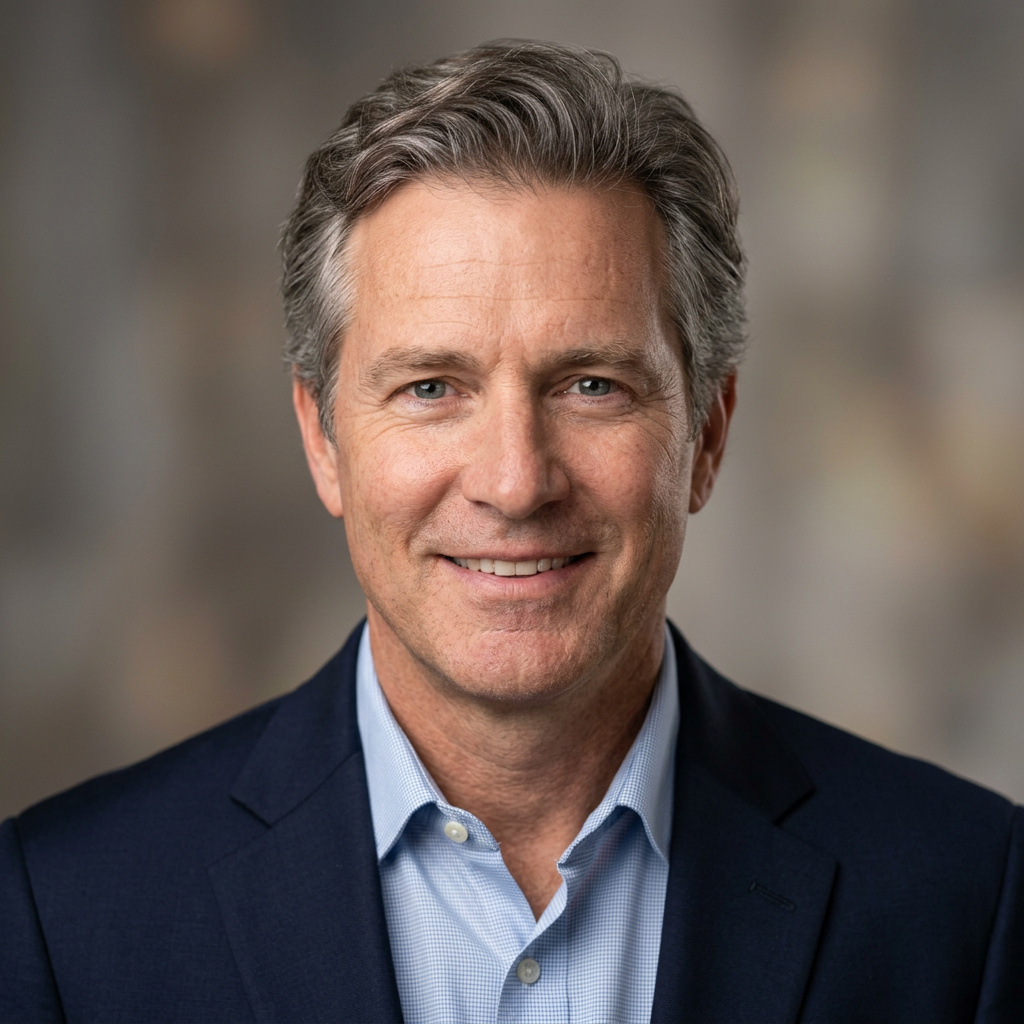
Alan Watts – Biography, Books, and Lasting Legacy
Alan Wilson Watts (1915–1973) was a British-born writer, speaker, and self-described “philosophical entertainer” who reshaped how the West understands Eastern philosophy. Through dozens of books and hundreds of recorded lectures, he made Zen Buddhism, Taoism, and Hinduism accessible to millions, becoming a pivotal figure in the 1960s counterculture and a lasting influence on modern spirituality.
Watts was born in a London suburb, drawn to Asian traditions from an early age. He published his first booklet on Zen at sixteen and later trained as an Anglican priest before moving to the United States, where he emerged as a leading voice of what became known as the “Zen-Boom.” His ability to translate complex ideas into clear, engaging English earned him a broad audience that continues to grow decades after his death.
His work spanned books, radio shows, television appearances, and university tours. Today, his lectures are widely shared online, and his core message – that anxiety stems from clinging to the past or future, and that freedom lies in embracing the present – resonates with readers and listeners across generations.
Who Was Alan Watts?
Alan Watts at a Glance
Alan Wilson Watts
6 January 1915, Chislehurst, Kent, England
16 November 1973, Mount Tamalpais, California, USA
Popularizing Eastern philosophy (Zen, Taoism) in the West; over 25 books; extensive lecture recordings
Key Insights
- Alan Watts remains a pivotal gateway figure for millions exploring Eastern spirituality, Buddhism, and psychedelic-assisted self-inquiry.
- His most enduring work, The Wisdom of Insecurity, continues to sell strongly decades after publication, reflecting timeless appeal.
- Despite his death from heart failure at age 58, his lecture archive — much of it recorded in the 1960s and 70s — has found new life on YouTube and streaming platforms.
- Watts’ style of “philosophical entertainment” blurred the line between oral teaching and performance, making complex ideas accessible.
Fast Facts: Alan Watts
| Category | Detail |
|---|---|
| Birth | 6 January 1915, Chislehurst, England |
| Death | 16 November 1973, Mount Tamalpais, California (heart failure) |
| Nationality | British (later American citizen) |
| Education | King’s School, Canterbury; Seabury-Western Theological Seminary; honorary doctorate from University of the Pacific |
| Major Works | The Wisdom of Insecurity, The Way of Zen, The Book: On the Taboo Against Knowing Who You Are |
| Philosophical Traditions | Zen Buddhism, Taoism, Vedanta, Jungian psychology |
| Total Recorded Lectures | Over 1,000 (many digitized by AlanWatts.org) |
| Spouses | Eleanor Everett (m. 1938–1949), Dorothy DeWitt (m. 1950–1973) |
Early Life and Education
Alan Watts was born on 6 January 1915 in Chislehurst, Kent, now part of southeast London. His mother, a teacher at a missionary school, introduced him to Asian culture early on, sparking a fascination that never faded. At age 16 he wrote his first booklet, An Outline of Zen Buddhism, and by 20 he had published The Spirit of Zen.
He studied at the King’s School in Canterbury and later at Seabury-Western Theological Seminary, where he was ordained as an Anglican priest in 1945. However, his interest in Eastern traditions soon drew him away from the church. In 1938 he moved to the United States to study Zen under the guidance of D.T. Suzuki, whom he had met at the World Congress of Faiths in London two years earlier.
Career as a Philosophical Entertainer
After settling in New York, Watts began lecturing in bookstores and cafes. His talks formed the basis for The Meaning of Happiness (1940). He later moved to California and helped found the American Academy of Asian Studies in San Francisco. By the mid-1950s his radio show Way Beyond the West made him a central figure in the Zen-Boom.
Watts described himself as a “philosophical entertainer” rather than a guru. He toured college campuses across the U.S. and Europe, covering Zen, meditation, social issues, and the meaning of life. His wit and clarity made complex Eastern ideas both entertaining and accessible.
How Did Alan Watts Die?
Cause of Death
Alan Watts died on 16 November 1973 at the age of 58. He passed away in his sleep in a cabin at Druid Heights, a bohemian community in Muir Woods near San Francisco Bay, after returning from a European lecture tour. The official cause of death was heart failure (cardiac arrest).
Multiple reliable sources confirm this, including biographers and published obituaries. However, some accounts suggest that alcoholism contributed to his death. His wife and others have expressed regret that he “drunk himself to death,” and the exact circumstances remain somewhat mysterious, as noted by several commentators.
Alan Watts died of heart failure. He died in his sleep at Druid Heights, Marin County, California, on 16 November 1973. Heavy alcohol use may have been a contributing factor, but the primary cause listed is cardiac arrest.
Circumstances and Legacy
Watts’ death came at a time when his influence was at its peak. He had just completed a successful European tour and was resting at the home of a friend in Druid Heights. The community was known for its creative and free-spirited atmosphere, a fitting setting for a man who had spent his life challenging conventional thinking.
After his death, nearly half of his books were published posthumously. His lecture recordings, carefully preserved and digitized, have found a new audience on platforms like YouTube. The Alan Watts Organization continues to manage his legacy, ensuring his voice reaches new generations.
What Are Alan Watts’ Most Influential Books?
The Wisdom of Insecurity
Published in 1959, The Wisdom of Insecurity: A Message for an Age of Anxiety is arguably Watts’ most enduring work. The book argues that anxiety arises from clinging to the past or future, and that true freedom comes from accepting the flux of life and living in the moment.
The book emerged from the first season of his TV show Eastern Wisdom and Modern Life. It combines Eastern philosophy with insights from modern psychology, and its message has remained remarkably relevant in today’s anxious times.
The Way of Zen
Published in 1957, The Way of Zen was one of the first best-selling books on Buddhism in the West. It introduced Zen to the Beat Generation and the growing counterculture. Watts described Zen as a “great Ch’an synthesis of Taoism, Confucianism, and Buddhism” that emerged in China after AD 700.
The book remains a standard introduction to Zen for English-speaking readers, praised for its clarity and breadth.
Beginners often start with The Wisdom of Insecurity (short and direct) or listen to Watts’ introductory lecture “The Nature of Consciousness” on YouTube. The Way of Zen is also an excellent starting point for those interested in Zen specifically.
Other Notable Works
Watts authored over 25 books. Key titles include Nature, Man and Woman (1958), which Watts considered his best work; Psychotherapy East and West (1961), which proposed that psychotherapy could become the West’s path to liberation if it discarded dualism; The Joyous Cosmology (1962) and The New Alchemy (1958), both exploring human consciousness and psychedelics; and the posthumously published Psychotherapy and the Occult.
A number of his books were published after his death, making his total bibliography sometimes cited as 46 volumes. The Alan Watts Organization maintains the most comprehensive list.
What Are the Most Famous Alan Watts Quotes?
Quotes on Identity and the Self
One of Watts’ most frequently cited quotes is: “Trying to define yourself is like trying to bite your own teeth.” It captures his view that the self is not a fixed thing to be grasped but a dynamic process.
Another well-known line is: “You are the universe experiencing itself.” Though the exact origin is unclear, it consistently reflects his philosophical stance that the individual and the cosmos are not separate.
Quotes on Life and Death
From The Wisdom of Insecurity comes: “The only way to make sense out of change is to plunge into it, move with it, and join the dance.” This embodies his core teaching about accepting impermanence.
Watts also said: “Anxiety comes from constantly clutching at the past or future and that freedom lies in accepting impermanence.” This message, repeated across his lectures, is the emotional heart of his work.
“The only way to make sense out of change is to plunge into it, move with it, and join the dance.”
— Alan Watts, The Wisdom of Insecurity
Where Can I Find Alan Watts Lectures and Talks?
Official Alan Watts Organization
The most authoritative source is the official Alan Watts Organization. It curates his audio and video recordings, manages licensing, and offers streaming subscriptions. The organization holds the rights to the vast majority of his lecture archive.
YouTube and Podcasts
Hundreds of Watts’ lectures are available on YouTube, both through official channels and fan uploads. The Alan Watts Organization maintains an official YouTube presence with high-quality recordings. Podcast platforms also host his talks, making them easy to access on mobile devices.
While many free uploads exist, sound quality and completeness vary. For the best experience, use the official AlanWatts.org streaming service or verified YouTube channels.
How Does the Alan Watts Community Engage Online?
Reddit Communities
The subreddit r/AlanWatts is an active discussion forum where fans share quotes, lectures, and philosophical reflections. It has tens of thousands of members and is a good place for newcomers to ask questions and explore Watts’ ideas.
Social Media and Discussion Groups
Facebook groups dedicated to Alan Watts also host daily discussions and post lecture clips. While these are often fan-managed and not officially affiliated, they provide a sense of community and keep his ideas circulating.
When Were the Key Events in Alan Watts’ Life?
- 1915 – Born in Chislehurst, Kent, England.
- 1936 – Attended the World Congress of Faiths in London, meeting D.T. Suzuki.
- 1938 – Married Eleanor Everett; moved to the United States.
- 1950 – Became an American citizen.
- 1951 – Began teaching at the American Academy of Asian Studies in San Francisco.
- 1957 – Published The Way of Zen, which became a major success.
- 1968 – Participated in the “Human Be-In” and became a counterculture icon.
- 1973 – Died of heart failure at his home on Mount Tamalpais.
What Is Known and What Remains Uncertain About Alan Watts?
| Established Information | Information That Remains Unclear |
|---|---|
| Watts died of heart failure (cardiac arrest) on 16 November 1973. | The extent to which alcoholism contributed to his death is debated, though several sources note heavy drinking. |
| He was ordained as an Anglican priest in 1945 and served a few years before leaving the church. | The direct influence of psychedelics on his core philosophy is debated; he saw them as tools for experiencing insights already present in Eastern traditions. |
| He authored over 25 books; nearly half were published posthumously. | Exact number of total books varies by source (some cite 46). |
What Was Alan Watts’ Role in the Counterculture and Modern Spirituality?
Alan Watts emerged during a period of Western fascination with Eastern mysticism that spanned the 1950s to the 1970s. His ability to translate Zen, Taoism, and Vedantic concepts into colloquial English made him a bridge between cultures. His critiques of Western materialism and the “rat race” resonated deeply with the counterculture, and modern interest has surged thanks to digital archives and social media.
Watts’ work remains relevant because it addresses the perennial human search for meaning and identity. Critics note that his presentation sometimes oversimplified complex traditions, and his personal life — multiple marriages, heavy drinking — appears to contradict aspects of his teachings. Nonetheless, his legacy endures through his written and spoken words, which continue to inspire new generations.
He is credited as one of the first to interpret Eastern wisdom for Western audiences, bridging Buddhist, Taoist, and Hindu thought with Western psychology and science. His influence can be seen in the modern mindfulness movement and in the growing acceptance of psychedelic-assisted therapy, a field he wrote about decades before it entered mainstream research.
Where Do the Most Authoritative Alan Watts Quotes Come From?
The most reliable collections of Alan Watts quotes come from Goodreads, which aggregates user-submitted quotes with attribution, and from his published books. The Alan Watts Organization’s website also provides verified excerpts from his lectures and writings.
Other authoritative sources include his Wikipedia entry and his Amazon Author Page, which list his published works. The Stanford Encyclopedia of Philosophy may also include an entry on Watts, offering scholarly context.
“Trying to define yourself is like trying to bite your own teeth.”
— attributed to Alan W. Watts
“Anxiety comes from constantly clutching at the past or future and that freedom lies in accepting impermanence.”
— from Watts’ lecture, cited by YouTube source
What Is Alan Watts’ Lasting Message?
Alan Watts’ enduring message is that human suffering arises from the illusion of separateness and the futile attempt to control life. Freedom, he taught, is found not in grasping but in letting go, in trusting the present moment, and in recognizing that we are not isolated individuals but expressions of the universe itself. For readers beginning their exploration, a good next step is to read about Trauma Bonding – 10 Signs, 7 Stages, and How to Break Free, which examines the psychological patterns of attachment that Watts often addressed.
Frequently Asked Questions
Did Alan Watts have any formal religious training?
Yes, he studied at Seabury-Western Theological Seminary and was ordained as an Episcopal priest in 1945, serving a few years before leaving the church.
What is Alan Watts’ connection to psychedelics?
Watts actively experimented with LSD and psilocybin in the 1960s, writing about their potential to catalyze spiritual experiences, but he cautioned that they were not a substitute for genuine practice.
Are Alan Watts’ lectures still copyrighted?
Yes, the vast majority of his recorded lectures are owned and curated by the Alan Watts Organization (alanwatts.org). Some older recordings may be public domain, but most require licensing.
Was Alan Watts married multiple times?
Yes, he was married twice: first to Eleanor Everett (1938–1949), then to Dorothy DeWitt (1950 until his death).
What is the best way to start learning about Alan Watts?
Beginners often start with The Wisdom of Insecurity (short book) or listen to his introductory lecture “The Nature of Consciousness” on YouTube.
For a deeper understanding of how philosophical minds explore consciousness and spirituality, you may also be interested in St Augustine – How to Tell Them Apart.
More related posts
 Johnny Cash – Biography, Cause of Death and Legacy
 Skeet Ulrich – Age, Height, Movies and FNAF 2 Role 2025
 Takeaway Near Me Open Now – Quick Finder Guide
 Adam Norris – Bio, Net Worth, Family and Career
 Holger Rune – ATP Ranking, Coach, Injury Status & Career 2026
 Willow Pastures Country Park – Lodges for Sale, Prices & Reviews
 Football Matches Today on TV – Full Schedule and Channels
 Atlantica Mare Village Paphos – Reviews, Map, Photos & Booking