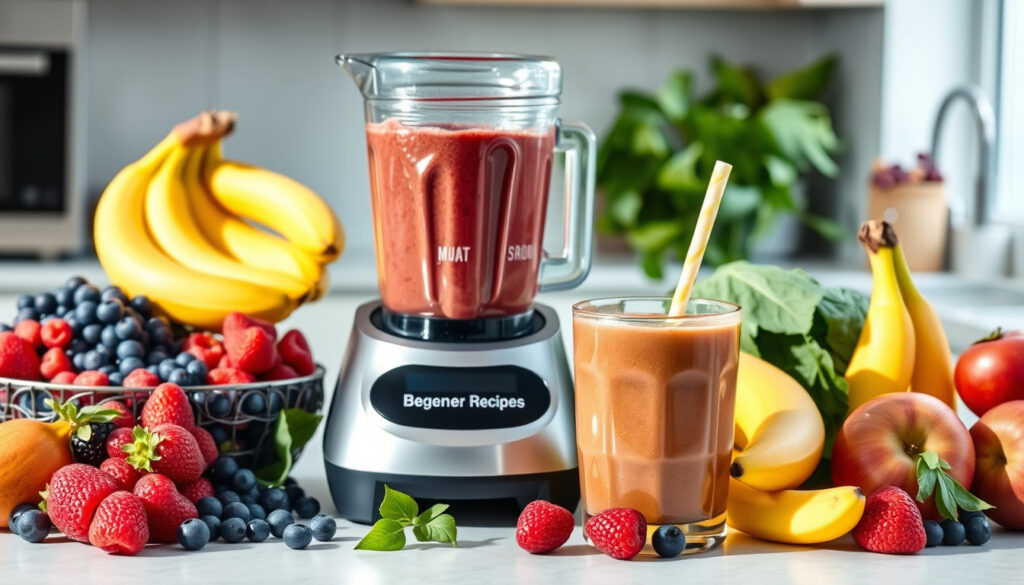
How to Make a Smoothie – Easy Recipes for Beginners
Smoothies have become a staple in modern kitchens, offering a quick and nutritious way to pack fruits, vegetables, and other beneficial ingredients into a single drink. Whether you are looking for a fast breakfast option, a post-workout recovery beverage, or simply a refreshing treat, learning how to make a smoothie opens up endless possibilities for customization and flavor combinations.
The beauty of a well-made smoothie lies in its simplicity. With just a few core ingredients and a reliable blender, anyone can create creamy, flavorful drinks in under five minutes. This guide walks through the essential steps, ingredient choices, and recipe variations to help both beginners and experienced home cooks master the art of smoothie-making.
From selecting the right base liquids to understanding how frozen fruit transforms texture, these fundamentals apply across countless recipes. The techniques covered here form a foundation that can be adapted based on personal taste preferences, dietary needs, and whatever ingredients happen to be available in the kitchen.
How to Make a Smoothie: Step-by-Step Basics
The process of making a smoothie follows a logical sequence that ensures optimal blending and texture. Most recipes share a common formula that can be adjusted based on the ingredients at hand.
The Core Formula
Most smoothies revolve around a simple ratio: one cup of liquid, one cup of frozen fruit, and one ripe banana for sweetness and body. Optional additions like yogurt, nut butter, seeds, or leafy greens enhance nutrition and flavor depth. According to recipe guides from Eating on a Dime and Kitchen Confidante, this basic framework provides consistent results whether using water, milk, or plant-based alternatives.
Milk, yogurt, water, or juice
Adds chill, thickness, and flavor
Banana, oats, seeds, or protein
Liquids first, then solids
Key Techniques for Beginners
The order in which ingredients are added matters significantly. Placing liquids at the bottom of the blender allows the blades to spin freely and creates a smoother blending motion. Following the liquid, yogurt or other thicker components go in next, with frozen fruit and ice added last.
- Add liquid first (water, milk, or juice) to facilitate smooth blending
- Pour in yogurt next for creaminess and protein content
- Add frozen fruit and banana before blending on high speed for 1-2 minutes
- Introduce ice gradually in batches to achieve desired thickness
- Serve immediately for the best texture and nutritional value
- Use the tamper or twist the container to move stubborn ingredients toward the blades
- Opt for frozen fruit when possible, as it eliminates the need for additional ice
These techniques come from instructional content on Delish and smoothie preparation guides, which emphasize that proper layering prevents common issues like uneven blending or straining.
A standard beginner smoothie produces 1-2 servings and takes under five minutes from start to finish, making it an ideal option for busy mornings or quick nutrition补给.
| Ingredient | Quantity | Purpose |
|---|---|---|
| Banana | 1 ripe | Natural sweetness and creamy texture |
| Frozen berries | 1 cup | Flavor, thickness, and antioxidants |
| Greek yogurt | ½ cup | Protein boost and tangy creaminess |
| Milk or water | ½ cup | Liquid base for blending |
| Ice (optional) | ½-1 cup | Extra chill and thickness |
Easy Smoothie Recipes for Beginners
Starting with straightforward recipes builds confidence and understanding of how ingredients interact. These minimal preparations require only three core components, making them perfect for anyone new to smoothie-making.
Three-Ingredient Combinations
The beauty of simple recipes lies in their flexibility. Once the basic technique is mastered, adjusting ratios and swapping ingredients becomes second nature. Recipe developers at Love and Lemons emphasize that three-ingredient smoothies allow beginners to learn flavor balance without feeling overwhelmed by complex lists.
- Strawberry Banana: Frozen strawberries, one banana, and milk or yogurt create a classic combination. A squeeze of lemon adds brightness without overpowering the natural sweetness.
- Berry Mix: Blackberries, raspberries, and strawberries blended with banana and yogurt deliver a tart, antioxidant-rich beverage. Topping with fresh berries adds visual appeal.
- Chocolate Date: Dates, cocoa powder, and milk form a naturally sweet, dessert-like smoothie. This combination works well as an evening treat or post-exercise recovery drink.
- Green Kiwi: Apple juice, banana, kiwi, and spinach create a refreshing green smoothie. The fruit sweetness masks the earthy notes of leafy greens effectively.
These examples demonstrate how few ingredients can produce satisfying results. Each recipe can be modified based on what is available, and experimentation naturally leads to personal favorites.
The basic formula allows for endless variations: replace milk with orange juice for citrus notes, swap yogurt for coconut milk for dairy-free options, or add spinach to any recipe for an instant nutritional boost without altering flavor significantly.
Getting Started Without Overthinking
Many beginners hesitate because they worry about achieving perfect proportions. Experienced smoothie makers note that standard ratios serve as guidelines rather than strict rules. Testing and tasting during preparation quickly reveals personal preferences regarding thickness, sweetness, and flavor intensity.
Households with limited ingredient options can rely on the simplest approach: frozen fruit plus liquid plus something creamy. This combination alone can produce dozens of enjoyable smoothies without requiring specialty ingredients or exotic add-ins. For those exploring how nutrition affects growth and development, understanding the role of proper nutrition can provide valuable context.
What to Put in a Smoothie: Essential Ingredients
Understanding the role each ingredient plays helps when improvising or substituting. The four main categories—liquids, fruits, creamy add-ins, and boosters—can be mixed and matched to achieve specific textures and nutritional goals.
Liquids: The Blending Foundation
The liquid base determines how easily ingredients blend and how thin or thick the final consistency becomes. Water provides neutrality and hydration without adding calories, while milk alternatives contribute varying degrees of creaminess and flavor.
- Water: The most neutral option, allowing fruit flavors to dominate
- Dairy milk: Adds richness, protein, and a subtle sweetness
- Plant-based milks: Almond, oat, coconut, and soy offer dairy-free alternatives with distinct flavor profiles
- Juices: Orange, cranberry, or apple juice add sweetness and acidity but increase sugar content
- Coconut milk: Provides tropical flavor and particularly creamy texture
Nutritional guidance from Eat Right suggests considering calcium and protein content when selecting milk alternatives, as these vary significantly between options.
Frozen Fruit: Texture and Flavor
Frozen fruit serves multiple purposes beyond convenience. It chills the smoothie without the dilution that melting ice causes, creates natural thickness, and preserves nutritional value at peak ripeness. Sources like Prevention Magazine highlight that frozen berries, bananas, pineapple, and mango work particularly well due to their flavor profiles and structural characteristics when frozen.
- Mixed berries: Blueberries, raspberries, and strawberries deliver antioxidants and vibrant color
- Banana: Almost universally available and excellent for creaminess
- Pineapple: Tropical sweetness and enzymes that aid digestion
- Mango: Rich in vitamins and pairs well with coconut or lime
- Kiwi: Adds brightness and fiber content
Boosters: Nutrition Enhancers
Optional add-ins transform a simple fruit smoothie into a more complete meal or targeted nutrition boost. These ingredients range from nutritional powerhouses to functional additions that support specific health goals.
Spinach blends virtually invisibly into fruit smoothies while adding iron and vitamins. Chia seeds provide omega-3 fatty acids and fiber. Protein powder supports post-workout recovery. Nut butters contribute healthy fats and satiety. Cocoa powder offers antioxidants without significant calories.
Experimenting with boosters one at a time helps identify preferences. Some combinations work naturally together—banana with peanut butter, for instance—while others require balancing flavors to avoid conflicts.
How to Make a Smoothie with Frozen Fruit
Frozen fruit represents one of the most practical choices for smoothie-making, particularly for those seeking convenience without sacrificing quality. The technique for incorporating frozen fruit differs slightly from fresh ingredients, and understanding these differences improves results.
Advantages of Frozen Fruit
Using frozen fruit eliminates the need for ice in many recipes, which prevents the common problem of watery smoothies as ice melts. Additionally, frozen fruit is typically frozen at peak ripeness, meaning nutritional content may actually exceed fresh fruit that has traveled long distances and spent time in storage.
- Pre-portioned frozen bags simplify preparation and reduce waste
- Consistent freezing creates predictable texture outcomes
- Affordable bulk options make healthy eating more accessible
- No preparation required beyond measuring into the blender
- Available year-round regardless of seasonal fresh fruit availability
Technique Adjustments
When working with frozen fruit, slightly increasing the liquid ratio often helps achieve the desired consistency. The blender may require more time or higher speed settings to process frozen ingredients completely. Twisting and tamping the container periodically moves frozen pieces toward the blades.
Recipes from Natasha’s Kitchen note that allowing frozen fruit to thaw for five minutes before blending can reduce strain on blender motors while still maintaining the cooling effect users expect from frozen ingredients.
High-powered blenders handle frozen fruit more efficiently than lower-wattage models. If the blender struggles, adding a small amount of liquid and blending in batches often resolves the issue without sacrificing the final texture.
Storage and Selection Tips
Selecting quality frozen fruit involves checking for signs of freezer burn, such as discoloration or ice crystals. Resealable bags should be used promptly or transferred to airtight containers to prevent moisture accumulation.
Buying frozen fruit in bulk during sales and maintaining a well-stocked freezer ensures ingredients are always available for spontaneous smoothie preparation. Many households keep a rotation of mixed berries, tropical fruits, and bananas specifically for this purpose.
Smoothie Variations: With Yogurt, Milk, and More
Once the basic technique is established, exploring variations becomes an exercise in personal preference. The choice between yogurt and milk as the creamy base fundamentally changes the smoothie’s character, and understanding these differences helps inform decisions.
Yogurt-Based Smoothies
Yogurt adds tanginess, protein, and a particularly smooth mouthfeel that many people prefer over milk-based alternatives. Greek yogurt, in particular, offers higher protein content and thicker consistency that contributes substantial creaminess.
- Greek yogurt provides approximately 15-20 grams of protein per serving
- Regular yogurt offers probiotics that support digestive health
- Coconut yogurt provides dairy-free creaminess with tropical notes
- Flavored yogurts can reduce or eliminate the need for additional sweeteners
- Plain yogurt allows fruit flavors to remain the primary taste profile
Video demonstrations from YouTube recipe channels show that yogurt-based smoothies hold up better as meal replacements due to their protein content, which promotes satiety and sustained energy.
Milk-Based Smoothies
Milk and milk alternatives offer lighter consistency and neutral flavor that lets fruit taste come through more distinctly. The versatility of milk options means everyone can find something suitable regardless of dietary restrictions.
Almond milk is light and slightly nutty. Oat milk provides creaminess comparable to dairy. Coconut milk adds tropical richness. Soy milk offers protein content close to dairy. Each brings distinct characteristics that influence the final smoothie’s flavor profile.
Strawberry Smoothie: A Classic Variation
The strawberry smoothie represents one of the most popular variations, combining sweet berries with creamy base ingredients. This combination works equally well with yogurt or milk and adapts easily to different sweetness levels.
Standard preparation involves frozen strawberries, banana, and the preferred liquid base, blended until completely smooth. Additional options include adding vanilla extract for depth, honey for increased sweetness, or spinach for hidden nutrition.
Love and Lemons recommends adding a small amount of lemon juice to strawberry smoothies, as the citrus brightens the flavor and helps preserve the vibrant red color.
Nutrition Benefits of Smoothies
Beyond convenience, smoothies offer significant nutritional advantages when prepared thoughtfully. The ability to combine multiple ingredients means diverse nutrients can be consumed in a single sitting, potentially more than many people would eat whole.
- Fiber: Fruits, vegetables, and seeds contribute dietary fiber that supports digestive health and promotes feelings of fullness
- Vitamins: Fresh and frozen produce provide vitamins A and C along with various B vitamins depending on ingredients selected
- Antioxidants: Berries, cocoa, and green ingredients supply compounds that protect cells from damage
- Protein: Yogurt, milk, nut butters, and protein powder can make smoothies substantial meal options
- Healthy fats: Avocado, nut butters, and seeds add monounsaturated and polyunsaturated fats
Health-focused publications like Prevention Magazine highlight specific combinations like green tea with blueberry and banana for antioxidant support, or kale with matcha and ginger for an energizing morning boost. Those with questions about combining supplements with nutrition should consult reliable health resources, such as guidance on whether you can take ibuprofen and paracetamol together.
Smoothies work best as part of a varied diet. While they provide concentrated nutrition, relying exclusively on blended beverages may miss the satisfaction and fiber benefits of whole foods. Rotating between smoothies and solid meals ensures comprehensive nutrient intake.
Expert Tips and Credible Sources
Established recipe developers and kitchen appliance manufacturers offer guidance that reflects extensive testing and professional experience. These sources provide reliable starting points for developing personal techniques.
“Start with liquids at the bottom of the blender for easier blending. This simple change prevents the blades from stalling and ensures ingredients combine evenly.”
— Basic Smoothie Preparation Guides
“Frozen fruit eliminates the need for ice in most recipes. The texture, chill, and thickness that frozen fruit provides means fewer ingredients and less preparation time.”
— Recipe Site Recommendations
Food safety resources from government agencies advise that smoothies containing dairy or fresh ingredients should be consumed within 24 hours when refrigerated, though freezing portions for later consumption remains an option.
Summary
Making a smoothie involves understanding a few core principles: the correct layering order, the role of frozen fruit in texture, and the flexibility within ingredient ratios. The formula of liquid, fruit, and creamy base adapts to countless combinations, allowing anyone to create drinks that match their taste preferences and nutritional goals.
Whether starting with the simplest three-ingredient recipe or experimenting with advanced booster additions, the skills developed through practice transfer across all variations. As confidence grows, palate preferences and dietary needs naturally guide ingredient selection.
Frequently Asked Questions
What is the best blender for smoothies?
High-powered blenders (1000+ watts) handle frozen ingredients most efficiently. However, even standard blenders work well when liquids are added first and ingredients are introduced gradually.
Can I make smoothies without a blender?
While blenders provide the smoothest results, immersion blenders or food processors can work as alternatives. Results may be chunkier, and manual mashing produces smoothies with more texture.
How long do smoothies last?
Smoothies are best consumed immediately for optimal texture and nutrition. When refrigerated in airtight containers, most smoothies remain acceptable for up to 24 hours, though some separation may occur.
Can I use fresh fruit instead of frozen?
Fresh fruit works but typically requires adding ice to achieve the same chill and thickness. Without ice, the smoothie may taste refreshing but will lack the frozen texture that many people prefer.
What makes a smoothie too thick?
Too much frozen fruit or insufficient liquid creates thick smoothies. Adding liquid gradually while blending and adjusting ratios based on personal preference resolves this common issue.
Are smoothies good for weight loss?
Smoothies can support weight management when made with whole ingredients and appropriate portion sizes. Adding excessive sweeteners, high-calorie nut butters, or large portions can increase calorie content beyond intended levels.
Can I add vegetables to fruit smoothies?
Leafy greens like spinach blend well with sweet fruits and taste nearly undetectable. Cucumber and carrots add nutrition with minimal flavor impact. The key is pairing strong fruit flavors with milder vegetables.
More related posts
 Nigel Benn – The Dark Destroyer’s Biography, Record and Family
 Anneka Rice – Biography, Family, and Career Update
 Exchange Rate Dollar to Pound – Live Rates & Converter Guide
 George Soros – Net Worth, Biography and Key Facts
 Temporary Car Insurance UK – Short-Term Cover Guide
 Magic Johnson – Net Worth, Stats, and Personal Life
 Nicola Walker – Biography, TV Shows, Husband and Awards
 Todd Grimshaw – Coronation Street Character Guide and Actor Story