Bearded Dragon – Lifespan, Size, Cost and Complete Care Guide
Bearded dragons have become one of the most popular reptile pets worldwide, known for their docile temperament and distinctive appearance. Native to the arid regions of Australia, these medium-sized lizards belong to the genus Pogona, which includes eight recognized species. The central bearded dragon (Pogona vitticeps) is the species most commonly kept in captivity.
Their name comes from the spiny scales under their chin and neck, which puff out and darken when they feel threatened or during displays of dominance. Despite this dramatic defense mechanism, they are generally calm creatures that tolerate handling well, making them a frequent choice for first-time reptile owners.
Before bringing one home, it is important to understand their needs. Bearded dragons require specific lighting, heating, and a carefully balanced diet to thrive in captivity. The following sections cover the key facts every potential owner should know.
What Is a Bearded Dragon?
Bearded Dragon at a Glance
| Scientific Name | Pogona (genus, 8 species) |
| Origin | Arid regions of Australia |
| Lifespan | 4–10 years (captivity); up to 12 with optimal care |
| Adult Size | 18–24 inches (45–60 cm) including tail |
Key Insights
- Bearded dragons are one of the most popular pet reptiles due to their docile nature and relatively simple care requirements.
- Lifespan varies widely depending on genetics, diet, and husbandry; the average in captivity is 7–10 years.
- Cost of ownership extends beyond the initial purchase: tank setup, UVB lighting, heating, and ongoing food and vet bills can total $500–$1,000+ in the first year.
- Size is influenced by species, sex, and diet; males typically grow larger than females.
- Color morphs like red are selectively bred and can command higher prices ($100–$400+).
- Bearded dragons are diurnal and active during the day, making them engaging pets for owners with regular schedules.
Quick Facts
| Fact | Value |
|---|---|
| Common name | Bearded dragon |
| Scientific name | Pogona vitticeps (most common pet species) |
| Family | Agamidae |
| Adult size | 18–24 in (46–60 cm) |
| Adult weight | 250–600 g |
| Lifespan | 4–10 years (captivity) |
| Diet | Omnivorous (insects, vegetables, fruits) |
| Temperature gradient | 95–105°F (35–40°C) basking, 75–85°F (24–29°C) cool side |
| UVB requirement | Yes, 10–12% UVB tube |
| Tank size minimum | 40–50 gallons for adult |
| Typical price (pet) | $40–$100 (standard); $100–$400+ (morphs) |
| Price in UK | £30–£80 (common); £100+ (morphs) |
How Long Do Bearded Dragons Live?
Lifespan is one of the most frequently asked questions among prospective owners, and the answer depends heavily on care quality. Veterinary and care sources report a range of about 7–10 years in captivity, according to the NC State Veterinary Hospital. Other guides place the figure at 8–10 years, 8–12 years, or even 10–15 years with excellent husbandry.
These differences reflect variability in genetics, diet, enclosure setup, and access to veterinary care. The BeardedDragon.org community notes that some individuals live beyond 12 years when kept under optimal conditions.
Factors That Affect Lifespan
Proper UVB lighting is essential for calcium metabolism and preventing metabolic bone disease, a common cause of early death. A correct temperature gradient, with a basking zone of roughly 88–110°F and a cool side around 70–90°F, allows the dragon to thermoregulate effectively. Diet also plays a major role: juveniles need more protein, while adults require a plant-heavy diet.
How to Keep a Bearded Dragon Healthy
The RSPCA emphasizes that correct UVB, proper basking temperature, a safe substrate, and a varied diet are the most repeated health-related themes across care guides. Good ventilation reduces the risk of respiratory infections, and humidity should be kept around 20–30%.
While many sources cite 7–10 years as the average, some well-cared-for bearded dragons reach 12–15 years. The quality of husbandry in the first year often sets the trajectory for long-term health.
How Big Do Bearded Dragons Get?
Common care guides place adult length at about 15–20 inches, while others report up to 24 inches including the tail, according to PetSmart and PetMD. Weight typically ranges from 250 to 600 grams in adulthood.
Growth Rate by Age
Hatchlings emerge at about 3–4 inches and grow rapidly during the first 8 months. Juveniles can reach 8–16 inches by 8 months, with growth slowing as they approach sub-adulthood at 8–18 months. Full adult size is usually reached by 18 months.
Do Males and Females Differ in Size?
Yes, males tend to grow larger than females, both in length and weight. They also typically develop broader heads and thicker tails. The size difference is one of the few reliable external indicators of sex in adult dragons.
How Much Does a Bearded Dragon Cost?
The price of a bearded dragon depends on its morph, age, and where it is purchased. Standard-colored dragons typically cost between $40 and $100 in the US, or £30 to £80 in the UK. Selectively bred morphs, such as the red bearded dragon, can range from $100 to $400 or more, depending on the breeder and demand.
However, the animal itself is usually less expensive than the setup. The enclosure, UVB lighting, heat sources, fixtures, thermometers, and furnishings represent the major upfront costs. First-year expenses including the dragon, tank, equipment, and food can total $500–$1,000 or more.
Ongoing costs such as live insect feeders, fresh vegetables, UVB bulb replacements (every 6–12 months), and annual veterinary check-ups add up over the dragon’s lifespan. Budgeting for these recurring expenses is essential before committing to a purchase.
Where Can You Buy a Bearded Dragon?
Reputable breeders, reptile specialty stores, and exotic pet shops are the most common sources. In the UK, platforms such as Pets4Homes list animals from private sellers and breeders. It is important to choose a healthy, alert animal from a seller with transparent husbandry practices.
Price differences between standard and morph bearded dragons reflect selective breeding for color and pattern, not necessarily health or temperament. A standard dragon from a conscientious breeder may be just as healthy as an expensive morph.
How to Set Up a Bearded Dragon Tank
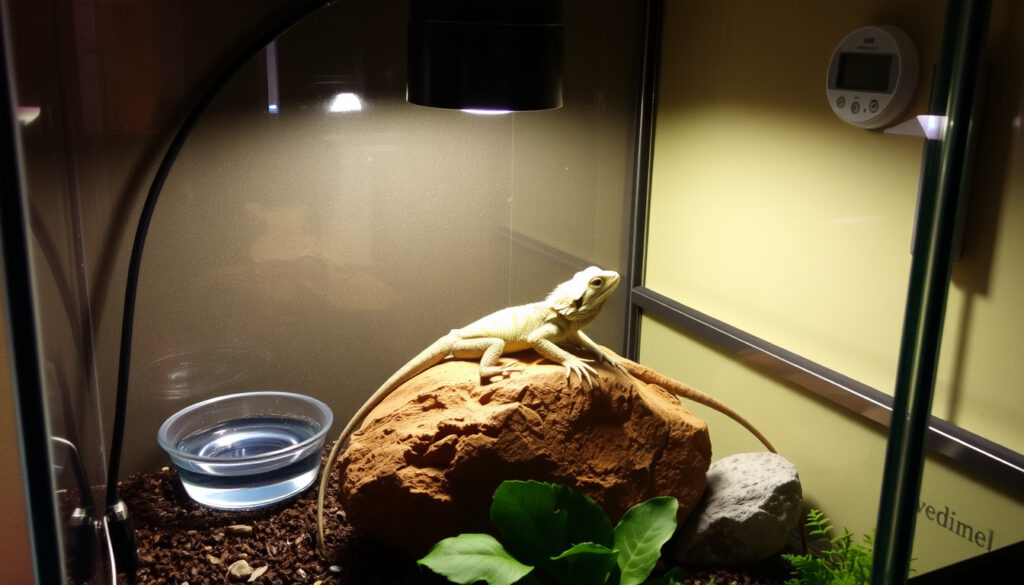
Setting up a proper enclosure is the most important step in bearded dragon care. The tank must provide a temperature gradient, UVB lighting, safe substrate, and places to hide and bask.
What Size Tank Does a Bearded Dragon Need?
For juveniles, a 20-gallon tank is commonly suggested. Adults require a much larger space: minimum recommendations range from 40 gallons to 75 gallons, while several guides prefer 120-gallon enclosures (48 × 24 × 24 inches) or larger. A wider, lower enclosure is preferred so the lizard can move, bask, and thermoregulate effectively.
Temperature and Lighting Requirements
The basking zone should be between 88°F and 110°F, depending on the age of the dragon and the specific source. The cool side of the tank should sit around 70–90°F. Full-spectrum UVB lighting is required for calcium metabolism and is typically provided for 12–14 hours per day during warm seasons.
Substrate and Decor
Recommended substrates include paper towels, newspaper, reptile carpet, textured mats, or ceramic tile. Several sources warn against loose substrates such as sand, gravel, and wood chips, which can be ingested and cause impaction. Provide hides on both the hot and cool sides, along with branches, rocks, and climbing surfaces.
What Do Bearded Dragons Eat?
Bearded dragons are omnivores, and their diet changes as they age. A varied diet that includes both animal protein and plant matter is essential for long-term health.
Diet by Age
Juveniles require a more protein-heavy diet. One guide reports about 70% insects for juveniles, while another source notes roughly 50% insects and 50% plant matter. Adults shift to a plant-heavy diet: one veterinary source recommends about 70% greens and vegetables and 25% insects, while another care guide suggests adults eat around 90% plant matter and 10% insects.
Feeding Frequency
Juveniles may eat daily or once or twice a day. Adults are typically fed insects a few times per week and receive fresh vegetables daily. Common feeder insects include crickets, roaches, and worms. Greens, vegetables, fruits, and edible flowers round out the diet.
The Role of Calcium and Supplements
Calcium and vitamin D3 supplementation is widely recommended, especially for growing juveniles and breeding females. Dusting insects with a calcium powder before feeding helps prevent metabolic bone disease, one of the most common health issues in captive bearded dragons.
How Fast Do Bearded Dragons Grow?
Growth is rapid during the first year and slows significantly after adulthood. The table below outlines the typical life stages.
- Hatchling (0–2 months): 3–4 inches. Eat small insects daily; high-protein diet.
- Juvenile (2–8 months): 8–16 inches. Rapid growth phase; need calcium and UVB.
- Sub-adult (8–18 months): 16–22 inches. Transition to more vegetables; growth slows.
- Adult (18+ months): 18–24 inches. Full size; diet around 50% greens and 50% insects.
- Senior (7+ years): Size stable. May require lower temperatures and regular veterinary check-ups.
What Do We Know and What Remains Uncertain?
| Established Information | Information That Remains Unclear |
|---|---|
| Bearded dragons are native to Australia. | Exact lifespan varies by species, genetics, and care; some individuals live beyond 12 years. |
| They require UVB light for calcium metabolism. | Price of morphs (e.g., red) is highly variable based on breeder, demand, and quality. |
| Lifespan in captivity averages 4–10 years. | Optimal diet ratios (insect vs. vegetable) are debated among keepers and sources. |
| Adult size ranges from 18 to 24 inches. | The exact impact of different UVB bulb types on long-term health is still being studied. |
What Makes Bearded Dragons Popular Pets?
Bearded dragons have become a cornerstone of the exotic pet trade, with millions kept as pets worldwide. Their popularity is driven by a manageable size, interactive behavior, and relatively low maintenance compared to other reptiles. The National Geographic notes that there are eight species of bearded dragons, named for the spines on their chins and necks.
The RSPCA and other welfare organizations emphasize that proper husbandry, including heat, UVB, and diet, is critical to preventing health issues like metabolic bone disease. The central bearded dragon is widely described as calm and tolerant of handling, which contributes to its appeal as a family pet.
In the UK, availability and pricing are influenced by the Pet Animals Act and local breeders. Online marketplaces serve as major channels for finding animals, though prospective owners are encouraged to research the seller’s reputation before purchasing.
Where Can You Find Reliable Information?
Several authoritative sources provide bearded dragon care information. The Wikipedia entry on Pogona offers a scientific overview of the genus, while the RSPCA and National Geographic provide practical care guidance grounded in veterinary expertise.
“To keep your beardy healthy you need to create a thermogradient in the vivarium: a hotter (38–42°C) bright end, heated with a 60–100 watt bulb.”
— RSPCA
“There are eight species of bearded dragons, named for the spines on their chins and necks.”
— National Geographic
“Pogona is a genus of reptiles containing eight lizard species, which are often known by the common name bearded dragons.”
— Wikipedia
What Should You Keep in Mind as a Bearded Dragon Owner?
Bearded dragons can make rewarding, long-lived companions when their specific needs are met. The initial investment in a proper enclosure, UVB lighting, and a balanced diet pays off in the health and longevity of the animal. Staying updated on new research regarding UVB and vitamin D requirements, and checking welfare sites such as the RSPCA for updated care guidelines, will help ensure your dragon thrives. For a guide to another popular topic, you may also enjoy Machu Picchu – History, Hikes, Tickets, and 2025 Tips. If you are interested in collecting unique items, read Nomination Charms – The Original Italian Charm Bracelet Guide.
Frequently Asked Questions
Are bearded dragons good pets for beginners?
Yes, they are often recommended for first-time reptile owners due to their docile nature and straightforward care requirements, though proper setup is essential.
Do bearded dragons change color?
Yes, they can darken or lighten for thermoregulation, stress, or mood, but true color morphs are genetic.
How often should I take my bearded dragon to the vet?
Annual check-ups are recommended; more frequent visits may be needed if health issues arise.
Can bearded dragons live together?
Cohabitation is risky due to dominance and aggression; it is generally advised to house them singly.
What is brumation in bearded dragons?
Brumation is a hibernation-like state during cooler months; they may eat less and sleep more during this period.
How often should I replace the UVB bulb?
UVB bulbs should be replaced every 6 to 12 months, even if they still emit visible light, because UV output diminishes over time.
Do bearded dragons need a heat lamp at night?
No, they need a temperature drop at night. If temperatures fall below 65°F, a ceramic heat emitter can be used without emitting light.
What vegetables should I avoid feeding my bearded dragon?
Avoid spinach, kale, and broccoli in large amounts due to oxalates and goitrogens. Stick to leafy greens like collard greens, mustard greens, and dandelion greens.
How can I tell if my bearded dragon is stressed?
Signs of stress include dark beard color, hiding excessively, loss of appetite, and glass surfing (pacing against the enclosure walls).
What is the best substrate for a bearded dragon?
Paper towels, reptile carpet, textured mats, and ceramic tile are safe options. Loose substrates like sand are not recommended due to ingestion risk.
More related posts
 Todd Grimshaw – Coronation Street Character Guide and Actor Story
 Cheryl Baker – Full Biography, Net Worth and Latest Updates 2025
 Canelo Alvarez – Next Fight, Record, Net Worth and Full Bio
 Jon Cryer – Net Worth, Career, and Life Story
 Harvey Barnes
 VW Crafter – Price, Specs & Campervan Guide 2025
 Six by Nico London – Menus, Prices, Locations and Reviews