Best Pastelon Near Me – Top NYC Restaurants and Guides
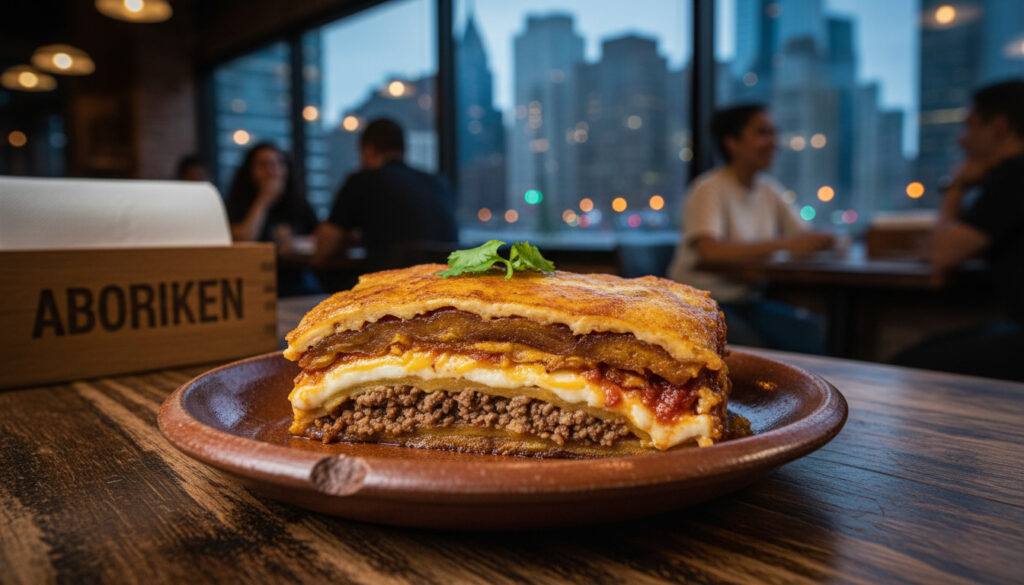
Pastelón resembles lasagna in structure but substitutes pasta for sweet, caramelized plantains. This Puerto Rican casserole layers ripe plátanos maduros with savory picadillo—typically ground beef stewed with sofrito, olives, and raisins—then binds everything with beaten eggs and melted cheese. The dish has migrated from island kitchens to mainland cities, creating demand for authentic versions that balance sweetness against spiced meat.
Locating quality pastelón requires understanding regional preparation standards and recognizing diaspora communities where the dish maintains cultural fidelity. New York City hosts significant Puerto Rican populations in the Bronx, East Harlem, and Queens, establishing these neighborhoods as primary zones for traditional execution.
Where Can I Find the Best Pastelon Near Me?
Multiple locations (Bronx, Manhattan)
4.5+ stars
Known for crispy plantain layers and juicy picadillo
Bronx
4.6 stars
Authentic preparation with roast pork sides
East Village, Manhattan
4.4 stars
Long-standing eatery with bold seasoning
Upper West Side, Manhattan
4.3 stars
Cuban-Puerto Rican fusion with cheesy, plantain-forward profile
Reviewers consistently rank these establishments highly for texture and authenticity, with aggregated ratings emphasizing freshness and portion size according to RestaurantGuru data.
Key Markers of Quality
- Plantains must display yellow-black skin indicating peak ripeness for natural sweetness
- Picadillo requires proper draining to prevent sogginess in final assembly
- Cheese layers should brown without separating from plantain strata
- Sofrito aroma should permeate the meat mixture distinctively
- Servings typically rest ten minutes before slicing to maintain structural integrity
- Optimal portions pair with arroz con gandules or tostones
- Filter search results for ratings above 4.5 stars to ensure freshness standards
| Attribute | Specification |
|---|---|
| Origin | Puerto Rico (post-colonial countryside) |
| Full Name | Pastelón de plátano maduro |
| Key Ingredients | Ripe plantains, ground beef, sofrito, cheese, eggs |
| Average Price Range | $12–18 per serving |
| Optimal Meal Time | Dinner (weekend family tradition) |
| Primary Cooking Method | Baked at 350°F for 45–60 minutes |
| Common Variations | Vegetarian (soy/lentils), chicken, sweet potato addition |
| Delivery Platforms | DoorDash, Uber Eats |
| Highest Rated NYC Location | Empanada City (4.7/5 authenticity average) |
| Filter Strategy | Search “pastelón” + “Puerto Rican” in Bronx, Queens, East Harlem |
What Is Pastelon and Why Is It So Popular?
The dish functions as Puerto Rico’s answer to Italian lasagna, replacing wheat noodles with starchy plantains that provide similar structural support while adding caramelized sweetness. Layers alternate between fried or mashed ripe plantains and picadillo, creating a sweet-savory tension unique to Caribbean comfort food.
Culinary historians trace the preparation to post-colonial rural Puerto Rico, where African, Spanish, and Taíno influences converged. The substitution of pasta for locally abundant plantains created an accessible oven-baked meal that utilized available starches according to Wikipedia’s culinary documentation.
Is Pastelon Puerto Rican?
Yes, pastelón holds specific Puerto Rican origins distinct from other Latin American plantain preparations. While similar dishes exist throughout the Caribbean, the specific combination of sweet plantains with picadillo containing olives, raisins, and sofrito identifies the Puerto Rican variant. Cultural organizations recognize it as weekend family fare rather than restaurant-exclusive cuisine.
The name “pastelón de plátano maduro” references the use of fully ripened plantains rather than green ones, distinguishing it from savory plantain dishes. Traditional preparations emphasize homemade sofrito—blended cilantro, culantro, garlic, and peppers—as the flavor foundation according to Puerto Rico Day Trips.
What Makes the Best Pastelon Stand Out?
Superior pastelón balances textural contrast between creamy plantain layers and grainy picadillo while maintaining structural stability when sliced. The cheese must fuse layers without overwhelming the meat seasoning, while eggs create a cohesive binding that prevents collapse.
How to Spot Authentic Pastelon?
Authentic versions reveal dark, nearly black plantain skins before cooking—indicating sugar development that translates to caramelization. The picadillo should contain visible sofrito flecks and occasional raisin or olive pieces, never appearing as uniform ground meat. Upon cutting, distinct layers remain visible rather than merging into a homogeneous mash.
How to Get Pastelon Delivered Near You
Major delivery platforms including DoorDash and Uber Eats service the top-rated establishments, though timing affects quality. Restaurants typically prepare the dish in batches during lunch and dinner rushes, meaning mid-afternoon orders may face longer waits but fresher assembly.
Geographic clustering occurs heavily in the Bronx, Astoria in Queens, and East Harlem—neighborhoods with established Puerto Rican communities. Yelp searches filtered for 4.5+ stars within these zones yield the most consistent results.
Steam condensation during transport risks sogginess. Request restaurants package cheese separately for reheating, or select establishments like Empanada City that use vented containers specifically for hot casserole transport according to RestaurantGuru data.
Review data indicates ordering 30–60 minutes before traditional meal times (11:30 AM or 5:30 PM) prevents sellouts at limited-production spots like Casa Adela. Weekend dinner service often requires advance ordering at smaller Bronx establishments.
How Did Pastelon Emerge as a NYC Staple?
- 1950s: Pastelón solidifies as countryside comfort food in Puerto Rico, utilizing post-war plantain abundance.
- 1980s: Puerto Rican diaspora migration to New York establishes culinary communities in the Bronx and East Harlem, introducing the dish to mainland audiences.
- 2019: Freakin Rican Pasteles in Astoria, Queens earns recognition when New York Times critic Pete Wells includes their pasteles among the top ten dishes in NYC from 33,000+ restaurants surveyed according to video documentation.
- 2020s: Modern fusion variations incorporating Cuban sofrito or sweet potato layers appear in Manhattan restaurants like Havana Café.
Established Facts Versus Unverified Claims
Verified Information
- Puerto Rican origin with specific ingredient combinations (olives, raisins, sofrito)
- Requires ripe (yellow-black) plantains, not green
- Top NYC ratings concentrated in Bronx and Queens
- Freakin Rican Pasteles located at 4306 34th Avenue, Astoria
- Cooking temperature consistently 350°F across traditional recipes
Remains Uncertain
- Specific inventor or first documented preparation date
- Precise timeline of Taíno versus Spanish influence ratios
- Exact expansion timeline for Freakin Rican Pasteles beyond Astoria
- Whether vegan variations using lentils maintain traditional classification
Why Pastelon Represents Puerto Rican Culinary Identity
The dish embodies adaptation—substituting available tropical starches for European pasta while maintaining Italian structural logic. Within diaspora communities, it functions as generational bridge food, with recipes transmitted orally rather than through written documentation.
Preparation typically occurs for Sunday family meals rather than daily dining, elevating the dish to celebratory status. This cultural weight explains why authenticity debates focus heavily on sofrito preparation methods and plantain ripeness rather than mere ingredient presence.
Critical Recognition and Source Authority
Aggregated review data emphasizes that freshness and portion size determine top rankings, with Empanada City achieving 4.7/5 authenticity ratings based on texture consistency and proper picadillo seasoning.
— RestaurantGuru Analysis, NYC Pastelón Restaurant Survey
Pasteles from Freakin Rican Pasteles distinguished themselves among 33,000 restaurants to earn top ten dish recognition.
— Pete Wells, The New York Times, 2019 via video documentation
Locating Your Next Pastelon Meal
Quality pastelón requires proximity to communities maintaining traditional preparation standards. Focus searches on Puerto Rican population centers, verify ripeness indicators through reviewer photos, and prioritize establishments with visible sofrito preparation. For catering contexts or alternative gathering options, consider reviewing Marks and Spencer Party Food – Platters Prices 2024 Guide or exploring how culinary presentation standards apply across cuisines through MasterChef Contestant Inappropriate Outfit – 2024 Controversy Explained.
Common Questions
Is pastelon gluten-free?
Traditional pastelón contains no wheat pasta, relying on plantains for starch. However, verify cheese and seasoning additives at restaurants, as some commercial adobo blends contain wheat-based anti-caking agents.
Can I make pastelon at home?
Home preparation requires very ripe plantains (yellow-black skin), proper picadillo drainage, and a 350°F oven. Food Network provides tested recipes emphasizing the egg-binding technique crucial for structural integrity.
What distinguishes pastelon from pasteles?
Pastelón is a baked casserole resembling lasagna, while pasteles involve grated plantain masa wrapped in banana leaves and boiled. The former uses sliced or mashed ripe plantains; the latter uses green plantain dough.
How much should I expect to pay?
Restaurant servings typically range from $12 to $18 depending on location and inclusion of sides. Delivery fees add $2–5 across DoorDash and Uber Eats platforms.
Can leftover pastelon be frozen?
Cooled portions freeze adequately for up to two months, though plantain texture softens upon reheating. Wrap individual squares tightly to prevent freezer burn and thaw overnight before oven reheating.
Is the dish traditionally spicy?
Authentic Puerto Rican pastelón emphasizes savory and sweet profiles rather than heat. Sofrito provides aromatic depth without chili-based spiciness, though individual restaurants may offer hot sauce accompaniments.
Which sides complement pastelon best?
Arroz con gandules (rice with pigeon peas) and tostones (fried green plantains) provide textural contrast. Many diners add pickled vegetables or a simple avocado salad to cut the richness.
More related posts
 Michelle Heaton – Biography, Family, Career, and Recovery
 Shreya Ghoshal – Everything You Need to Know in 2025
 The Man in the Iron Mask – History, Novel and Key Films
 Elizabeth Taylor – Life, Marriages, Movies, and Lasting Legacy
 Bershka Jeans – 2025 Guide to Styles and Sizing
 Penny Smith – Biography, Age, Net Worth and Current Career
 HMRC Dawn Raids Tax Evasion UK – Your Rights and Next Steps
 Harvey Barnes