Bodies Everest – Why frozen corpses stay on the mountain
Mount Everest, the world’s highest peak, is also the world’s highest-altitude graveyard. An estimated 200 bodies remain frozen on its slopes, victims of avalanches, falls, exhaustion, and the deadly conditions of the “Death Zone” above 8,000 meters. Recovery is rare, dangerous, and costly, leaving these climbers as permanent, frozen landmarks along the climbing routes.
The mountain has claimed over 346 lives since the first recorded deaths in 1922, and roughly two-thirds of those who have died are still on the mountain. The bodies, mummified by extreme cold and dry air, do not decompose, which means they remain visible for decades – and in some cases, become infamous waypoints for those who follow.
Why are so many bodies left behind? The answer lies in a combination of extreme altitude, freezing temperatures, physical weight, helicopter limitations, and cultural beliefs held by the Sherpa community. Recent cleanup efforts have brought a few bodies down, but the vast majority remain where they fell.
How many bodies are on Mount Everest?
There is no single authoritative count, but the best available data comes from the Himalayan Database and Wikipedia’s list of climbing deaths. As of 2025, at least 346 people have died attempting to summit Everest. Of those, an estimated 200 to 300 bodies remain on the mountain. Many are in the Death Zone, above 8,000 meters, where no helicopter can fly and where a single rescue mission can cost up to $70,000.
| Category | Value |
|---|---|
| Total Deaths | ~346+ |
| Bodies Remaining | ~200+ |
| Preservation Factor | Below-freezing temps + low oxygen |
| Recent Cleanup | Ongoing (2024–2025) |
Key insights about bodies on Everest:
- The exact number of bodies is unknown; estimates range from 200 to over 300.
- Bodies are extremely well preserved due to cold and dry conditions, remaining visible for decades.
- Most deaths occur in the “Death Zone” above 8,000m, where hypoxia and exhaustion are the primary causes.
- Body recovery is rare, expensive (up to $70,000), and considered extremely dangerous.
- Some bodies, like “Green Boots”, became unofficial landmarks for climbers.
- Recent cleanup campaigns (2019–2024) have removed only a handful of bodies.
| Fact |
|---|
| First recorded death: 1922 (seven Sherpas in avalanche) |
| Most bodies lie in the ‘Death Zone’ above 8,000m |
| Green Boots (Tsewang Paljor) is the most famous corpse, located near a cave at 8,500m |
| Sleeping Beauty (Francys Arsentiev) died in 1998; body later moved out of sight |
| 1996 disaster killed 15 people in a single day |
| 2015 Nepal earthquake triggered avalanche killing 22 at base camp |
| Removal efforts in 2019, 2023, 2024 recovered several bodies |
| Cost to recover one body: $20,000 – $70,000 |
Who are the most famous bodies on Everest?
The Story of “Green Boots”
The most well-known body is that of Tsewang Paljor, an Indian climber who died during the 1996 disaster. He was wearing green Koflach boots, and his body remained curled in a limestone cave at roughly 8,500 meters for decades. Climbers used him as a mile marker on the way to the summit. Recent reports suggest the body may have been moved or covered by shifting ice, but its status remains uncertain.
“Sleeping Beauty” – Francys Arsentiev
Francys Arsentiev died in 1998 after sumitting Everest without supplemental oxygen. Her body lay in full view on the slopes near the summit for years, earning the nickname “Sleeping Beauty.” In 2007, a team attempted to recover her body but could only move it out of sight behind a rock ledge. It remains there today.
Other notable corpses
David Sharp, who died near the summit in 2006, sparked international debate about climbing ethics after dozens of climbers passed him as he was dying.
Frank González, an American climber who died in 1982, was visible for years before snow and ice eventually covered his body.
Hannelore Schmatz, the first woman to die on Everest (1979), was a well-known landmark until her body was later covered by snow.
Many bodies are unidentified because they lack personal documents or have been unrecognizably altered by the elements. In the Death Zone, recovery teams often cannot spend enough time to properly identify remains. Some bodies are known only by their clothing or gear, like “Green Boots.”
Why are dead bodies left on Everest?
Extreme Environmental Conditions
Above the South Col, temperatures rarely rise above freezing, and the air is so dry and cold that bodies are mummified rather than decomposed. This preservation means they remain frozen in place, but also that they become extremely heavy – a frozen body encased in ice and gear can weigh over 300 pounds (136 kg).
The “Death Zone”
Above 8,000 meters, oxygen levels are too low to sustain human life for more than a few days. Even moving a few steps requires enormous effort. Recovery operations are nearly impossible because rescuers themselves would be at grave risk of hypoxia, frostbite, or death.
Weight, Helicopters, and Cost
Helicopters cannot fly at such altitudes due to thin air, so any recovery must be done on foot. A frozen body weighing over 300 pounds requires multiple strong climbers to carry it down – a task that is both physically grueling and dangerous. The cost of a single body recovery can reach $70,000, a prohibitive sum for most families.
Life-Safety Risk
Attempting to move a body has historically led to rescuers losing their own lives. The climbing community has largely agreed that recovery is too dangerous to attempt near the summit. The risk is often higher than rescuing a living climber.
Cultural Beliefs
Many Sherpas view Everest as a sacred mountain, and disturbing the dead is seen as interference with the mountain’s will. These beliefs have been a factor in limiting recovery efforts, especially in the higher reaches.
Bodies on Everest do not decompose in the usual way because temperatures are consistently below freezing and the air is extremely dry. Instead, they mummify – the skin darkens and tightens, but the body does not produce odor or attract scavengers. This is why some bodies remain recognizable for decades.
Are bodies being removed from Everest?
Cleanup Campaigns 2019–2024
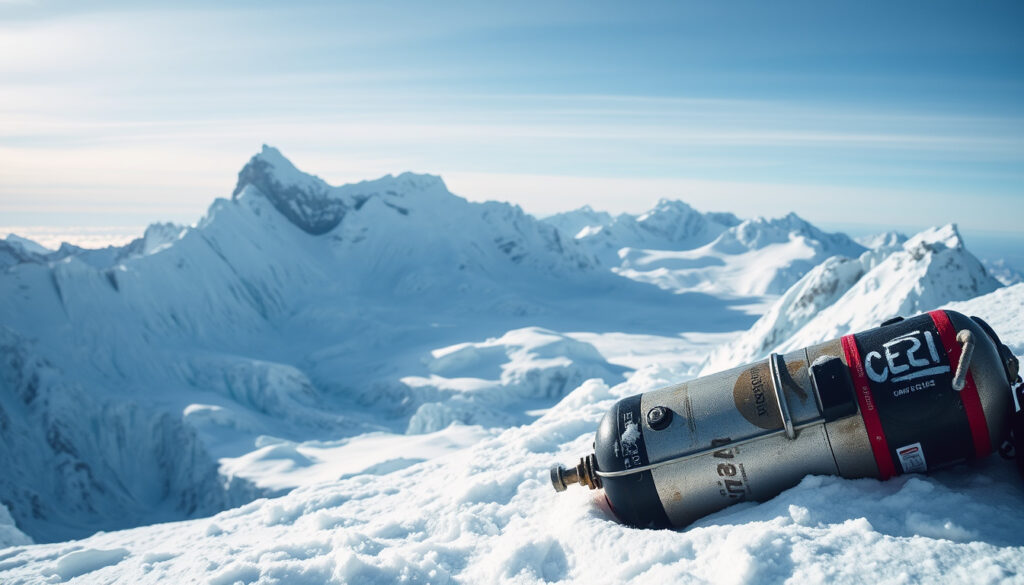
Nepalese authorities have launched several cleanup campaigns, primarily targeting trash – discarded oxygen bottles, tents, and climbing gear. However, these efforts have also removed bodies. In 2019, the first official clean-up campaign recovered 4 bodies and 11 tons of rubbish. In 2023, a team retrieved four bodies and a skeleton from high-altitude areas.
Recent Recoveries and Current Policy
Renewed body recovery efforts by the Nepali army and climbing teams in 2023 and 2024 have brought down several high-profile bodies, including a skeleton believed to be one of the early Everest casualties. The body of “Green Boots” was reported moved in 2024, though this is not confirmed. The Nepali government continues to address sanitation and safety concerns, but recovery remains limited due to extreme risks.
Who pays for body removal?
Costs are typically borne by the family of the deceased, by expedition teams, or, in rare cases, by government-funded cleanup campaigns. The price tag of $20,000 to $70,000 per body means that most families cannot afford it. Some crowdsourcing campaigns have been launched, but success is rare.
Recovery missions often involve teams of elite climbing Sherpas working in the Death Zone. Even with supplemental oxygen, the work is so strenuous that rescuers have died during attempts. The Himalayan climbing community largely accepts that bodies above 8,000 meters should remain in place.
What is the history of deaths and body recoveries on Everest?
The story of bodies on Everest is a timeline of tragedy, shifting attitudes, and intermittent recovery efforts. Below are the key events.
- 1922 – First recorded deaths: seven Sherpas die in an avalanche.
- 1979 – Hannelore Schmatz becomes the first woman to die on Everest; her body remains visible for years.
- 1996 – Infamous disaster: 15 climbers die in a single storm, including “Green Boots” (Tsewang Paljor).
- 1998 – Francys Arsentiev (“Sleeping Beauty”) dies after sumitting without oxygen.
- 2006 – David Sharp dies near the summit, sparking global debate about climbing ethics.
- 2014 – Avalanche kills 16 Sherpas on the Khumbu Icefall.
- 2015 – Nepal earthquake triggers a deadly avalanche at Everest Base Camp, killing 22.
- 2019 – Nepal launches first official clean-up campaign; recovers 4 bodies and 11 tons of trash.
- 2023–2024 – Renewed body recovery efforts by Nepali army; several high-profile removals (including reports of “Green Boots” being moved).
What do we know and what remains uncertain?
| Established Information | Unclear or Debated |
|---|---|
| At least 346 people have died climbing Everest (Wikipedia). | Exact number of bodies still on the mountain (estimates vary from 200 to over 300). |
| Bodies are preserved due to temperature and low humidity. | Whether “Green Boots” has been moved or remains in place (conflicting reports). |
| Removing bodies is extremely dangerous and expensive (up to $70,000). | Long-term plans for systematic removal are unclear. |
| Some bodies have been moved or removed in recent cleanups (e.g., 2023 recovery of four bodies). | How climate change may affect preservation or visibility of bodies – melting glaciers could expose new bodies. |
Why does the presence of bodies on Everest matter?
The ethics of leaving bodies on Everest are complex. Some argue that the dead should be left as permanent memorials, serving as a warning to future climbers and a reminder of the mountain’s dangers. Others believe that bodies should be removed to give closure to families and out of respect for the deceased.
Commercial expeditions have driven up the number of climbers and, consequently, the death toll. Bodies have become grim landmarks – “Green Boots” was used as a mile marker for years. Removing them could disorient climbers who rely on these visual cues, but leaving them also raises sanitation concerns as melting glaciers expose remains.
Local Sherpa culture regards Everest as a sacred mountain, and disturbing the dead is often seen as interfering with the mountain’s will. This cultural dimension has influenced the reluctance to conduct large-scale recoveries. The debate continues, with no easy answers.
Where do these facts come from?
“At least 346 people have died attempting to climb Mount Everest.”
– Wikipedia (List of people who died climbing Mount Everest)
“Bodies of climbers who died high on the mountain have been brought down after decades.”
– BBC News (2024 article on body recovery)
“Everest is not piled high with corpses; many bodies are not visible.”
– Mark Horrell, mountaineer and blogger
“Bodies left on Everest tend to be extremely well preserved due to consistently below-zero temperatures.”
– All That’s Interesting
Additional authoritative sources include National Geographic, Outside Online, and The Guardian, all of which have reported on the grim reality of bodies on Everest. The BBC has also covered recent recovery missions in detail.
What is the bottom line on Everest’s bodies?
Mount Everest holds the remains of at least 200 climbers, frozen in time by extreme cold and altitude. Recovery is exceptionally dangerous, expensive, and culturally sensitive, so the vast majority will likely stay where they fell. Recent cleanup campaigns have removed a handful of bodies, but the mountain’s Death Zone remains a permanent resting place for many. For a broader perspective on mortality and legacy, read about Gene Hackman – Cause of Death, Movies and Net Worth at 95.
Frequently Asked Questions
Can families recover bodies of loved ones from Everest?
Yes, but it is extremely expensive (tens of thousands of dollars) and dangerous. Many families choose to leave bodies in place.
Is it true that bodies are used as landmarks on Everest?
Yes, some bodies like ‘Green Boots’ and ‘Sleeping Beauty’ became unofficial waypoints, though efforts have been made to move them out of sight.
How many people have died on Everest in 2025?
As of early 2025, the exact number is not yet compiled; but recent years have seen around 5-10 deaths per season.
Do bodies smell on Everest?
No, due to freezing temperatures and low oxygen, bodies do not decompose normally and produce no odor.
Are there any female bodies on Everest?
Yes, several, including Hannelore Schmatz (1979) and Francys Arsentiev (1998).
More related posts
 What Time Is the Budget Today – Start Time TV and Live Stream 2025
 Pom Pom Purin – The Complete Guide to Sanrio’s Beloved Dog
 Sheffield Wednesday vs Leeds United – 2025 Carabao Cup Upset
 Warwick Davis – Net Worth, Family, Height and Iconic Movies
 Zero-Emissions Vehicle – Definition Examples Benefits 2025
 Office Desk – Best Home Office Desks and Buying Guide
 Christopher Harborne – Biography, Net Worth, and Political Donations
 Parts of a Flower – Diagram Functions and Guide for Kids