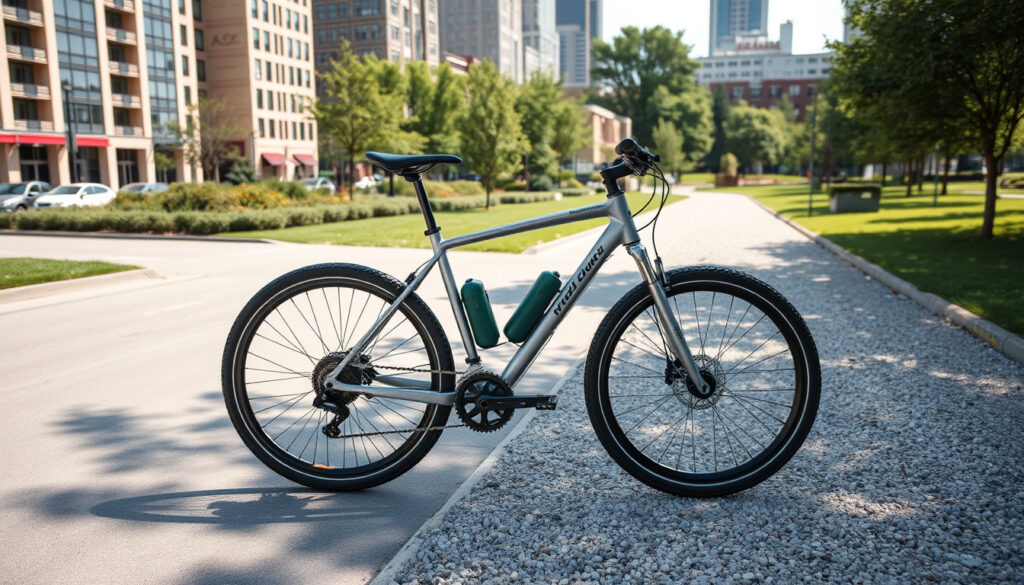
What Is a Hybrid Bike – Features, Comparisons and Buying Guide
A hybrid bike blends the speed-oriented characteristics of road bikes with the comfort-focused features of commuter designs. This combination makes hybrid bicycles particularly well-suited for navigating city streets and smooth paths while remaining capable on light off-road terrain. Understanding what distinguishes a hybrid bike from other bicycle types helps riders select the most appropriate option for their specific needs and riding conditions.
Hybrid bikes occupy a unique position in the bicycle market, offering an alternative to the specialized designs of road, mountain, and gravel bicycles. Sometimes referred to as cross bikes, these bicycles have gained popularity among commuters, recreational riders, and those seeking versatility without compromising on comfort or efficiency.
What Is a Hybrid Bike Used For
Hybrid bikes serve a broad range of cycling purposes, making them an attractive option for riders who need versatility in their two-wheeled transportation. The upright riding position with flat handlebars provides comfort and ease of use, particularly valuable for daily commutes and casual rides around the neighbourhood.
- Combines the speed of road bikes with the comfort of commuter-friendly designs
- Ideal for city streets, paved paths, and light off-road routes
- Popular with commuters and cycle couriers due to simplicity and reliability
- Suitable for less experienced cyclists and recreational riders
- Promotes relaxed riding posture that reduces strain on back and shoulders
- Features flat handlebars for comfortable grip and enhanced visibility in traffic
| Feature | Description |
|---|---|
| Frame | Aluminum or steel construction, slightly heavier than road bikes |
| Gears | Typically 21-24 speed range for varied terrain |
| Tires | 700c wheels with 28-40mm hybrid tread |
| Suspension | Usually omitted for smoother urban terrain |
| Primary Use | Roads, paths, light trails, commuting |
| Wheelbase | Balanced between maneuverability and stability |
What Is a Hybrid Bike vs Road Bike
The distinction between hybrid bikes and road bikes centres on their fundamental design philosophies and intended use cases. While both bicycle types excel on paved surfaces, they target different priorities in the riding experience.
Handlebars and Riding Position
Road bikes feature drop handlebars that position the rider in an aerodynamic, forward-leaning stance optimized for speed and efficiency. Hybrid bikes instead use flat, straight handlebars that prioritize comfort and allow an upright riding posture. This difference in geometry significantly impacts rider fatigue during extended periods in the saddle.
Frame Design and Weight
The frames of hybrid bikes typically weigh more than those of road bikes, reflecting their emphasis on durability over lightweight performance. Road bikes prioritize aerodynamic efficiency through thinner tubes and specialized geometry, whereas hybrid bikes balance robustness with everyday practicality.
Tire Specifications
Tire width represents one of the most visible differences between these bike types. Hybrid bike tires measure 28-40mm in width and feature smoother rolling surfaces suited for city commuting. Road bike tires are considerably narrower with higher pressure ratings, enabling reduced rolling resistance at the cost of puncture protection and comfort.
Hybrid bikes handle both city streets and light off-road paths effectively, though they fall short of mountain or gravel bikes on rough terrain. Road bikes perform best on smooth, well-maintained surfaces where their efficiency advantages shine.
What Is a Hybrid Bike vs Mountain Bike
Comparing hybrid bikes to mountain bikes reveals contrasting approaches to bicycle design, with each type optimized for very different riding conditions and rider priorities.
Suspension and Off-Road Capability
Mountain bikes feature sophisticated suspension systems designed to absorb impacts from rough trails and technical terrain. Most hybrid bikes omit suspension entirely since they target smoother urban environments rather than rugged off-road paths. This fundamental difference makes mountain bikes the clear choice for trail riding while hybrid bikes excel on pavement.
Tire Design Differences
Mountain bike tires are wide and feature aggressive knobby treads that provide grip on loose surfaces like dirt, mud, and rocks. Hybrid bike tires are narrower with smoother rolling surfaces designed primarily for asphalt and compact gravel paths. The trade-off involves traction versus efficiency, with each tire type optimized for its intended terrain.
Geometry and Control
Mountain bike geometry positions riders for control-oriented, aggressive positioning over technical terrain. The slack seat angles and longer wheelbases provide stability at low speeds and on steep descents. Hybrid bikes feature more upright geometry that promotes comfort and visibility for urban navigation rather than technical trail control.
What Is a Hybrid Bike vs Gravel Bike
The comparison between hybrid bikes and gravel bikes highlights subtle but meaningful differences in capability and design intent, particularly for riders considering mixed-terrain adventures.
Versatility and Terrain Range
Gravel bikes offer greater versatility for mixed terrains compared to hybrid bikes, with enhanced tire clearance and more durable components designed for unpacked surfaces. Gravel bikes can handle gravel trails and varied surfaces that would challenge a standard hybrid setup, though hybrid bikes remain excellent choices for paved paths and city commuting.
Component Design
Gravel bikes typically feature drop handlebars similar to road bikes, though flat handlebar options exist. The frames often include mounting points for racks and fenders, supporting longer adventures. Hybrid bikes generally offer fewer mounting provisions and focus on simpler, more accessible designs that appeal to casual riders and commuters rather than adventure cyclists.
For riders primarily navigating city streets with occasional smooth path rides, hybrid bikes provide excellent value and comfort. Those planning regular gravel trail adventures or longer mixed-terrain journeys may find gravel bikes better suited to their requirements despite the higher price point.
Top 10 Hybrid Bikes and Buying Considerations
The hybrid bike market offers numerous options across various price points, with models catering to different rider preferences and use cases. Selecting the right hybrid bike involves considering frame material, component quality, and intended riding applications.
What Is a Hybrid Bike Worth
Hybrid bike prices typically range from entry-level models under £300 to mid-range options between £400-£800, with premium hybrid bikes exceeding £1,000. Entry-level models suit casual commuting and occasional recreational rides, while higher-end options feature lighter frames, better components, and enhanced durability for daily commuting use.
Hybrid Bike for Women
Many manufacturers offer women-specific hybrid bike models featuring adapted geometry, narrower handlebars, and appropriately sized frames for smaller riders. These models account for differences in rider proportions and contact points, though standard hybrid bikes with adjustable components can serve riders of any gender effectively.
Key Buying Factors
- Frame material impacts weight and ride quality
- Component groups affect shifting precision and braking performance
- Tire width influences comfort and rolling efficiency
- Frame size must match rider height for optimal comfort
- Rack and fender mounting points support commuting accessories
What Is a Hybrid Bike Tire
Hybrid bike tires represent a crucial component that distinguishes these bicycles from other categories, offering a balance between road efficiency and light off-road capability.
Tire Dimensions and Standards
Hybrid bike tires typically measure between 28-40mm in width and are designed for 700c wheel standards common in road and hybrid bicycles. These dimensions provide a comfortable ride while maintaining reasonable rolling efficiency on paved surfaces.
Tread Design and Purpose
Unlike the aggressive tread patterns of mountain bike tires or the near-slick surfaces of racing tires, hybrid bike tires feature subtle tread that provides grip on wet surfaces without excessive rolling resistance. The tires are built to last, making them well-suited for the demands of daily city commuting where puncture resistance and durability matter more than ultimate speed.
Hybrid bike tires perform best on smooth pavements and light gravel paths. Attempting to use them on rough mountain trails or deep gravel may result in reduced traction and control compared to more specialized tire options.
Evolution of Hybrid Bikes
The development of hybrid bicycles reflects changing commuter needs and cycling culture over several decades, with the category emerging as cycling gained popularity beyond recreational sport.
- 1980s: Hybrid bikes emerged as cross bikes, blending road and touring bicycle characteristics for general-purpose riding
- 1990s: Growing urban congestion and environmental awareness increased hybrid bike popularity for commuting applications
- 2000s: Improved component technology enhanced hybrid bike reliability and reduced maintenance requirements
- 2010s: Integration of disc brakes and modern frame geometry expanded hybrid bike capability and appeal
- 2020s: Urban fitness trends and sustainability concerns drove further innovation in hybrid bike design for zero-emissions vehicles alternatives
Hybrid Bike Features: Standard Versus Variations
Understanding which features remain consistent across hybrid bikes and which vary by model helps potential buyers set appropriate expectations when shopping.
| Standard Features | Variable Features |
|---|---|
| Flat handlebars for upright positioning | Electric assist motors on e-hybrid models |
| Upright frame geometry | Frame materials ranging from steel to carbon fiber |
| 700c wheel compatibility | Integrated lighting and accessory mounts |
| Hybrid-specific tire tread design | Women-specific frame geometries available |
| Wide gear range for varied terrain | Internal hub or derailleur gearing systems |
| Rack and fender mounting points | Suspension fork options on some models |
Why Choose a Hybrid Bike
Hybrid bikes occupy a practical position for urban riders who need a single bicycle capable of handling diverse conditions without the compromises of highly specialized alternatives. The balanced approach to bicycle design makes them particularly suitable for riders transitioning from casual recreational use to regular commuting.
The simplicity of hybrid bike mechanics appeals to riders who prefer minimal maintenance and straightforward repairs. Unlike the complex suspension systems of mountain bikes or the precise tuning requirements of high-performance road bikes, hybrid bikes offer reliable transportation with accessible service requirements. Modern urban cyclists increasingly value practical transportation solutions that combine efficiency with everyday usability.
The hybrid bike represents the evolution of general-purpose cycling, combining the best elements of road and mountain bike design into a package that serves the majority of everyday riding needs.
Expert Sources on Hybrid Bicycles
Several established cycling publications and manufacturers provide detailed information on hybrid bike characteristics and comparisons with other bicycle types.
Hybrid bikes sit at the intersection of road speed and mountain bike comfort, offering an upright position with flat bars that makes them ideal for city riding and casual paths.
The hybrid bicycle is a blend of road, touring, and mountain bike features, designed for general-purpose use across varied terrain types.
Summary: Understanding Hybrid Bikes
A hybrid bike represents a thoughtfully balanced approach to bicycle design, combining elements from road, mountain, and commuter bikes to create a versatile option for everyday riding. Hybrid bikes offer an compelling combination of practicality and capability for those needing a single bicycle capable of handling city streets, smooth paths, and light off-road routes without the compromises of extreme specialization. The upright geometry, flat handlebars, and medium-width tires make hybrid bikes particularly well-suited for urban commuting, casual recreation, and riders seeking comfort over specialized performance.
Frequently Asked Questions
What is a hybrid bike vs gravel bike?
Hybrid bikes and gravel bikes both handle mixed terrain, but gravel bikes offer greater versatility with wider tire clearance, more durable components, and enhanced capability on unpacked surfaces. Hybrid bikes excel on paved paths and city streets with simpler, more accessible designs.
Can women ride standard hybrid bikes?
Yes, standard hybrid bikes accommodate riders of any gender. Many manufacturers also offer women-specific models with adapted geometry and appropriately sized frames, though adjustable components on standard models serve most riders effectively.
What is a hybrid bike worth for commuting?
For daily commuting, hybrid bikes priced between £400-£800 typically offer the best balance of durability, component quality, and value. Entry-level models under £300 suit occasional commuting, while premium options exceed £1,000 for those requiring enhanced performance and longevity.
Are hybrid bikes good for beginners?
Hybrid bikes are excellent choices for beginner cyclists due to their comfortable upright riding position, intuitive flat handlebars, and versatile capability. The wide gear range helps new riders handle hills and varied terrain while the simple mechanics reduce the learning curve for maintenance.
How long do hybrid bike tires last?
Hybrid bike tire lifespan depends on riding frequency, surface conditions, and tire quality. With regular commuting use, quality hybrid tires typically last 2,000-4,000 miles before requiring replacement, though puncture resistance and tread wear vary by manufacturer and model.
Do hybrid bikes need suspension?
Most hybrid bikes do not include suspension since they target smoother urban terrain rather than rough off-road paths. The lack of suspension reduces weight, simplifies maintenance, and improves pedaling efficiency on paved surfaces where hybrid bikes spend most of their time.
Can hybrid bikes handle gravel paths?
Hybrid bikes handle smooth gravel paths effectively thanks to their medium-width tires and durable construction. However, they struggle on deep gravel or rough terrain where gravel bikes with wider, more aggressive tires provide better traction and control.
More related posts
 Lisa Armstrong – The Make-Up Artist and Telegraph Journalist
 Mumbai Indian v Delhi Capital Scorecard – 2026 WPL Update
 Ceelo Green – Biography, Net Worth, and 2025 Update
 Is Taylor Swift Pregnant – Facts Behind the Rumors
 Karen Mulder – Where She Is Now in 2026
 Jimmy Bullard – From Premier League to Golf Presenter
 Anne Princess Royal – Biography, Age, Children and Key Facts
 Florence Nightingale – Biography, Theory and Lasting Legacy